
The Cyber Threat That Locks Your Data and Demands Payment
Ransomware is not just another virus.
It is a business disruption weapon.
It locks your files, halts operations and then demands payment to restore access. In many cases, even paying does not guarantee recovery.
Understanding ransomware is no longer optional. It is critical to protecting your business continuity, reputation and revenue.
What Is Ransomware?
Ransomware is a form of malicious software that encrypts files on a computer or network.
Once activated, it makes your data inaccessible. A message then appears demanding payment, usually in cryptocurrency, in exchange for a decryption key.
Attackers often include:
- A strict deadline
- Threats to permanently delete data
- Warnings that the ransom will increase over time
It is psychological pressure layered on top of operational chaos.
Why Businesses Are Primary Targets
Cybercriminals are financially motivated. They go where the money is.
Businesses are targeted more frequently than individuals because:
- They rely heavily on continuous access to data
- Downtime directly impacts revenue
- They often have cyber insurance
- They have greater liquidity
When operations stop, the pressure to pay increases. That is exactly what attackers are counting on.
How Ransomware Spreads
The most common delivery method is phishing email.
An employee receives what appears to be a legitimate message. It may look like it comes from:
- A supplier
- A colleague
- A government body
- A customer
- A recruitment candidate
The email includes an attachment or link. Once opened, the ransomware executes.
Because it is triggered by user interaction, it often bypasses basic security controls.
Why Businesses Are More Vulnerable Than They Think
Two factors increase exposure inside growing organisations.
Email Fatigue
Business users receive dozens, sometimes hundreds, of emails daily.
When inbox management becomes routine, attention drops. A realistic-looking attachment can easily slip through. Cybercriminals design phishing campaigns to exploit this autopilot behaviour.
Expanding Access Points
As businesses grow, so does the number of devices, users and remote access points.
Each employee.
Each laptop.
Each mobile device.
Each cloud login.
Every one of these is a potential entry point.
The larger the organisation, the broader the attack surface.
Well-Known Ransomware Variants
Over the years, several ransomware strains have caused widespread damage globally, including:
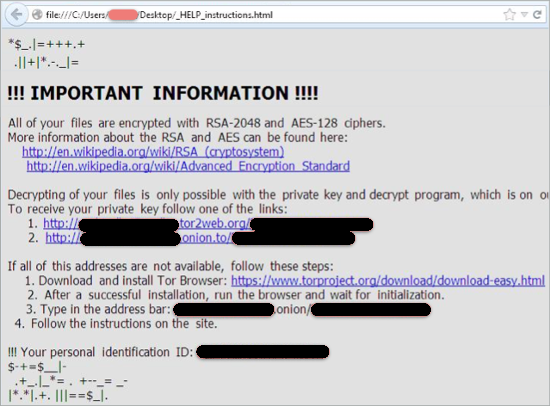
CryptoLocker
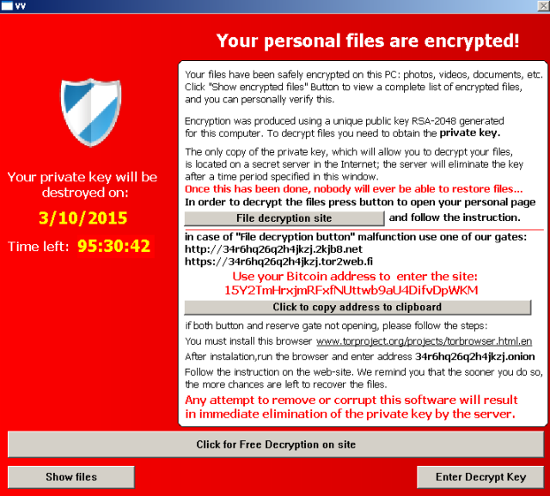
Zepto
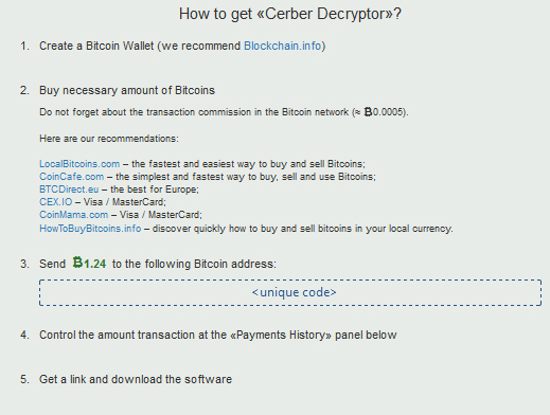
Cerber3
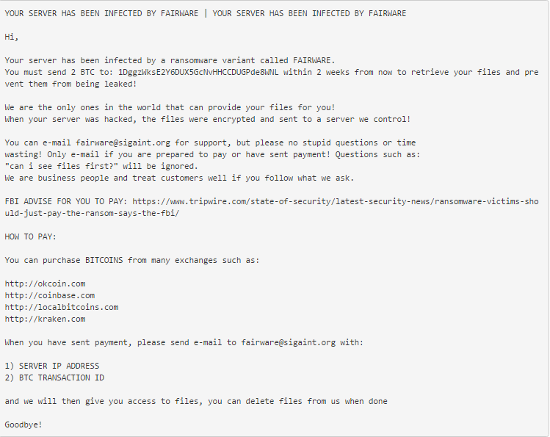
FairWare
Petya
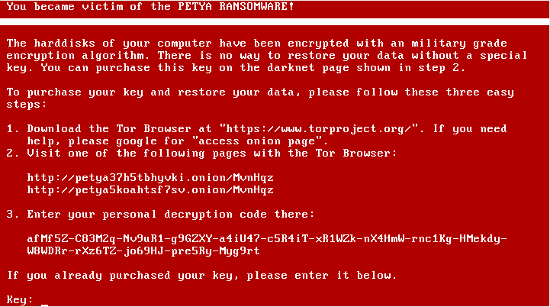
Wildfile
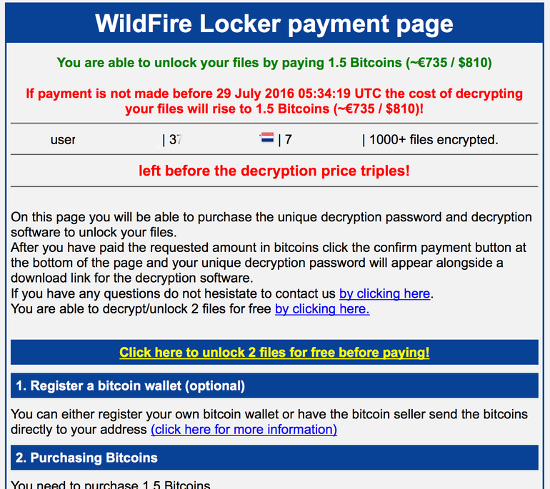
New variants emerge constantly. The names change. The tactic remains the same. If you see any of these pictures, you are going to need help.
Encrypt. Demand. Pressure.
The Real Cost of Ransomware
The ransom payment is only part of the damage.
The true impact often includes:
- Operational downtime
- Lost productivity
- Reputational damage
- Data loss
- Regulatory consequences
- Recovery costs
- Increased insurance premiums
For many small and mid-sized businesses, a severe ransomware event can be catastrophic.
Prevention Is the Only Sustainable Strategy
There is no guaranteed recovery after a ransomware attack.
That is why prevention matters.
Effective ransomware defence includes:
- Advanced email filtering
- Multi-factor authentication
- Regular patch management
- Network segmentation
- Real-time monitoring
- Immutable, tested backups
- Ongoing staff awareness training
Ransomware succeeds when security is reactive. It struggles when security is proactive.
How eManaged Helps Protect Your Business
At eManaged, ransomware prevention is built into how we manage your environment.
We monitor systems continuously.
We automate updates and patching.
We secure access points.
We implement layered security controls.
We maintain and test backup strategies.
The goal is simple.
Prevent the attack where possible.
Detect it early if it occurs.
Recover quickly if needed.
If you want to reduce your exposure to ransomware and strengthen your cybersecurity posture, contact eManaged on 1300 363 308.
Because in today’s threat landscape, the question is not whether ransomware exists.
It is whether your business is prepared.